
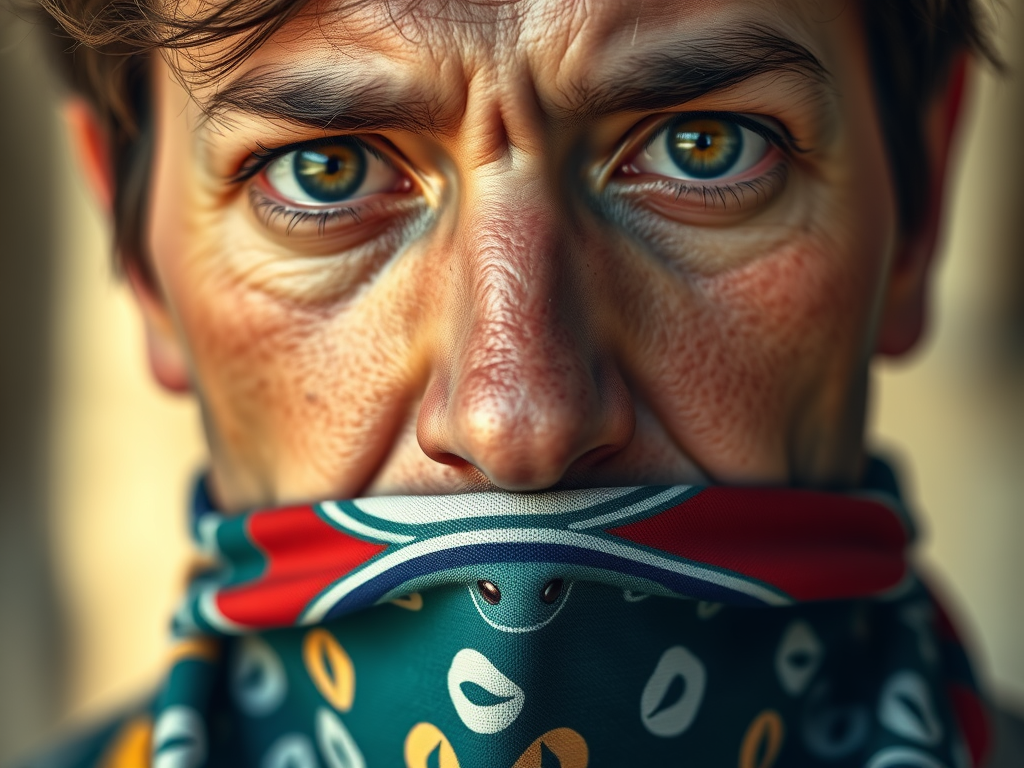
I had an interesting conversation with a fellow author last week that got me thinking about self-censorship.
She was debating re-writing a manuscript because she felt some of the content might offend her target audience. I cautioned her against censoring her own work even at the cost of alienating certain readers. My argument was that it would make the book less genuine and she’d ultimately run the risk of being unhappy with the final product.
I understand “writing to your audience”, and I’m not suggesting we create profanity-laced children’s books or load up PowerPoint presentations with lurid images. There’s a difference between operating within the accepted boundaries of a particular market/genre and stifling your ideas for the sake of mass appeal.
My concept of self-censorship is editing an original idea or concept because you’re afraid it will be judged negatively on its creative merit.
Do you think a joke won’t land with enough readers, or a reviewer might feel a scene is too violent or extreme? Stick with these ideas and polish them, because I often find what I’m most hesitant to publish is the very stuff that evokes a reaction from my audience. If a concept is provocative in your mind, then it will most likely resonate (for better or worse) with your readers once you’ve written it down. Being scared of bold (see: compelling) content and watering it down to cater to the widest audience leads to mundane story-telling. Best case scenario is you end up with something safe, if not forgettable. Worst case is that you take a concept that was truly great and defuse it to avoid potential rejection.
Books that receive universal praise are rare. Polarizing works tend to find their niche and develop a loyal fan base, but mediocre writing usually dwells in obscurity. Art is highly subjective, and you should always write for yourself first. You may not find as large an audience, but you’ll own an authenticity that doesn’t mute your voice.
 SUBURBAN SYNTAX
Leave a comment